
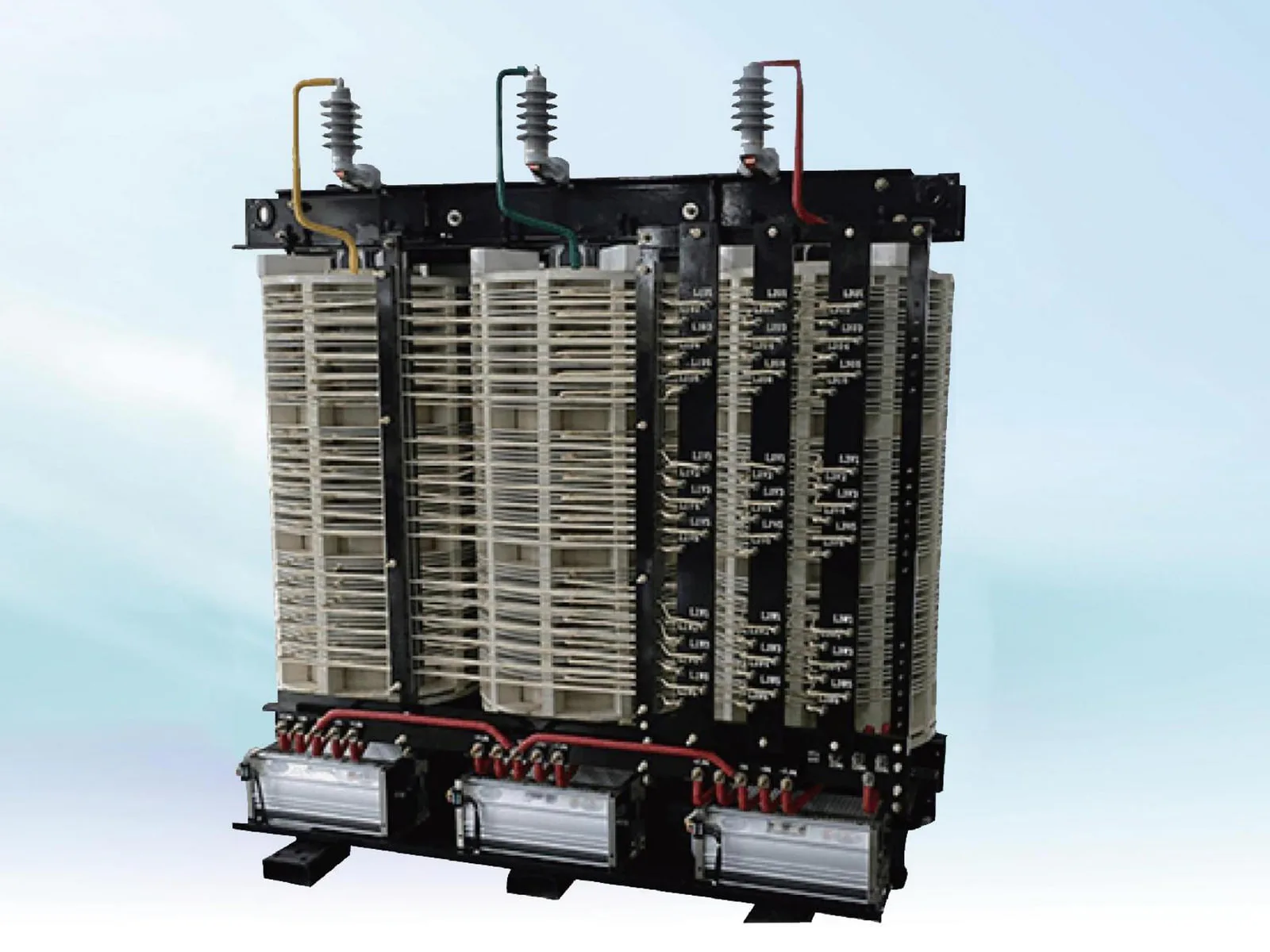
Phase-Shifting Rectifier Transformer Overview
Phase-Shifting Rectifier Transformer is configured for phase-shifted multi-pulse supply for industrial rectifiers with harmonic and converter-system coordination.
For Phase-Shifting Rectifier Transformer, the approved single-line diagram and data sheet convert phase-shifted multi-pulse supply for industrial rectifiers with harmonic and converter-system coordination into defined ratings, interfaces, component scope, tests, dimensions, and delivery records.
A phase-shifting rectifier transformer is built around a defined multi-pulse scheme. The converter topology, required phase angles, bridge groups, secondary voltages, current sharing, and permitted harmonic limits must be issued as one coordinated design input.
Multiple secondary windings require controlled turns, vector displacement, impedance matching, insulation between winding groups, terminal identification, and manufacturing tolerances so parallel converter bridges share load as intended.

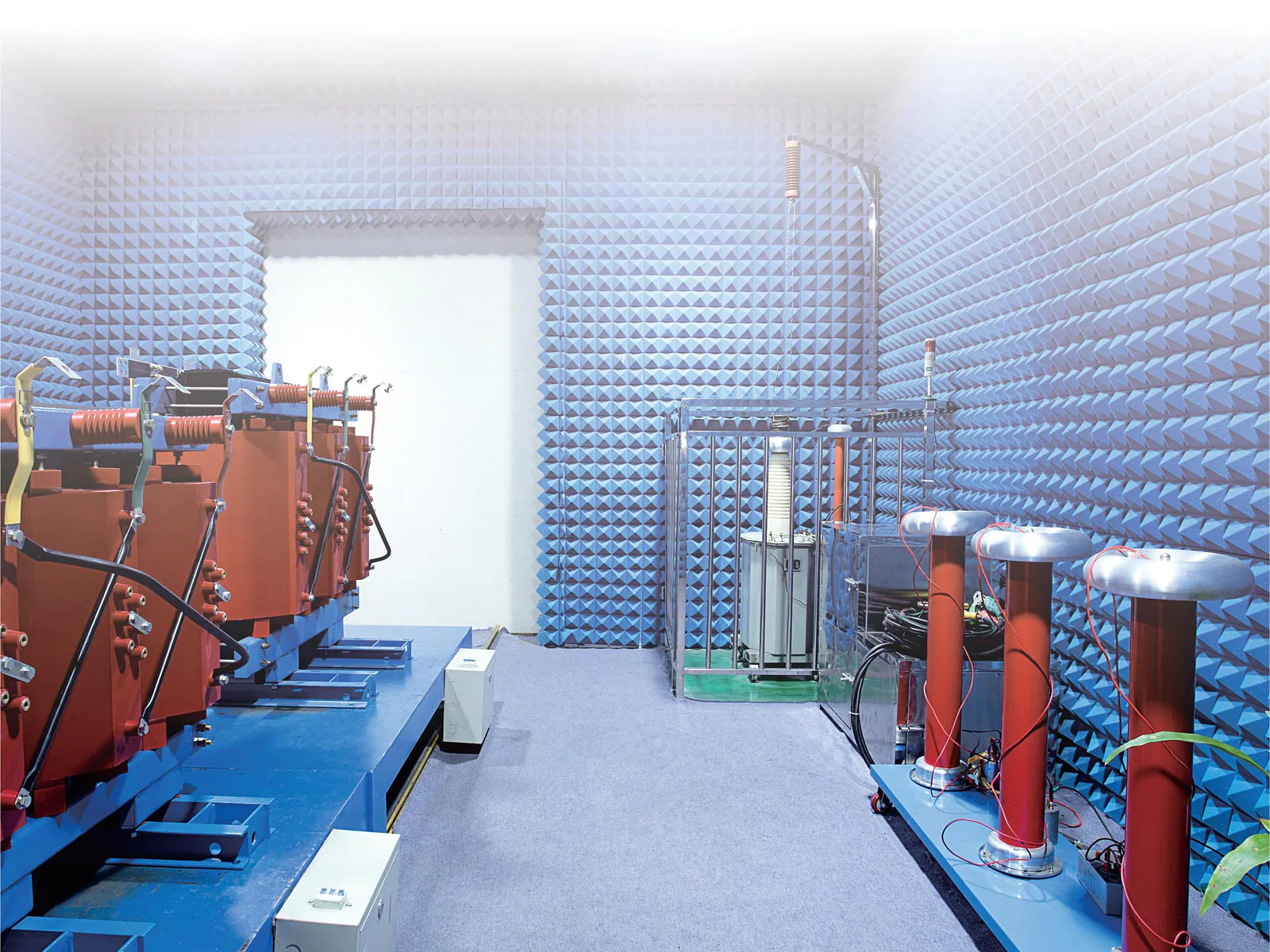
PRODUCT FITPhase-Shifting Rectifier Transformer: buyer-specific review points
For real procurement, Phase-Shifting Rectifier Transformer is judged by its project role, electrical boundary, verification documents, delivery condition, and the buyer's site limits before a factory quotation is compared.
Phase-Shifting Rectifier Transformer is mainly reviewed for industrial plant, mining project, data center. phase-shifted multi-pulse supply for industrial rectifiers with harmonic and converter-system coordination
The first comparison should keep Published power or capacity: Phase-Shifting Rectifier Transformer capacity matched to the buyer's load schedule, Primary / system voltage: Phase-Shifting Rectifier Transformer primary voltage fixed by the incoming system, and Secondary voltage: multi-winding by converter topology visible so quotations remain technically comparable.
Phase-Shifting Rectifier Transformer is configured for phase-shifted multi-pulse supply for industrial rectifiers with harmonic and converter-system coordination. Confirm System arrangement: phase shift and pulse number by project and Protection and control: Phase-Shifting Rectifier Transformer protection logic coordinated with upstream and downstream devices before the data sheet is released.
For Phase-Shifting Rectifier Transformer, request documents such as Approved data sheet for Phase-Shifting Rectifier Transformer, General arrangement drawing for Phase-Shifting Rectifier Transformer, Single-line and schematic diagrams for Phase-Shifting Rectifier Transformer, Interface and terminal drawings for Phase-Shifting Rectifier Transformer, Bill of materials or component schedule for Phase-Shifting Rectifier Transformer. These files should match the ordered voltage class, rating, accessories, test plan, and nameplate.
Phase-Shifting Rectifier Transformer engineering focus
A phase-shifting rectifier transformer is built around a defined multi-pulse scheme. The converter topology, required phase angles, bridge groups, secondary voltages, current sharing, and permitted harmonic limits must be issued as one coordinated design input.
Multiple secondary windings require controlled turns, vector displacement, impedance matching, insulation between winding groups, terminal identification, and manufacturing tolerances so parallel converter bridges share load as intended.
Beyond routine transformer tests, project acceptance checks the measured phase displacement of each winding group, ratio consistency, impedance deviation, polarity, harmonic design data, temperature duty, and the complete terminal schedule.
This design is used where 12-, 18-, 24-pulse or other coordinated arrangements reduce characteristic harmonics in high-power drives, smelters, electrochemical plants, and comparable industrial converter systems.
A phase-shifting rectifier transformer is purchased as a multi-winding harmonic-mitigation design
buyers compare the converter topology, 12/18/24-pulse arrangement, required phase angles, bridge grouping, secondary-voltage tolerance, current sharing, impedance matching, insulation between winding groups, terminal schedule, and measured phase-displacement report. It is not the same buying decision as a general rectifier transformer, because the phase-shift accuracy and bridge balance determine whether harmonic cancellation works at the common coupling point.
Phase-Shifting Rectifier Transformer should be checked against Published power or capacity: Phase-Shifting Rectifier Transformer capacity matched to the buyer's load schedule, Primary / system voltage: Phase-Shifting Rectifier Transformer primary voltage fixed by the incoming system, and industrial plant before the factory price is treated as comparable.
The quotation boundary for Phase-Shifting Rectifier Transformer must keep Protection and control: Phase-Shifting Rectifier Transformer protection logic coordinated with upstream and downstream devices, Design and test basis: Phase-Shifting Rectifier Transformer design and tests set by the project standard and destination, accessories, packing, and commissioning support visible to the buyer.
Phase-Shifting Rectifier TransformerApplications
Phase-Shifting Rectifier Transformer is selected for industrial plant. The project review confirms Published power or capacity: Phase-Shifting Rectifier Transformer capacity matched to the buyer's load schedule and Secondary voltage: multi-winding by converter topology against the actual system and site.
Phase-Shifting Rectifier Transformer is selected for mining project. Multiple secondary windings require controlled turns, vector displacement, impedance matching, insulation between winding groups, terminal identification, and manufacturing tolerances so parallel converter bridges share load as intended. The project review confirms Primary / system voltage: Phase-Shifting Rectifier Transformer primary voltage fixed by the incoming system and System arrangement: phase shift and pulse number by project against the actual system and site.
Phase-Shifting Rectifier Transformer is selected for data center. Beyond routine transformer tests, project acceptance checks the measured phase displacement of each winding group, ratio consistency, impedance deviation, polarity, harmonic design data, temperature duty, and the complete terminal schedule. The project review confirms Secondary voltage: multi-winding by converter topology and Protection and control: Phase-Shifting Rectifier Transformer protection logic coordinated with upstream and downstream devices against the actual system and site.
Phase-Shifting Rectifier TransformerPublished technical reference
| Published power or capacity | Phase-Shifting Rectifier Transformer capacity matched to the buyer's load schedule |
|---|---|
| Primary / system voltage | Phase-Shifting Rectifier Transformer primary voltage fixed by the incoming system |
| Secondary voltage | multi-winding by converter topology |
| System arrangement | phase shift and pulse number by project |
| Protection and control | Phase-Shifting Rectifier Transformer protection logic coordinated with upstream and downstream devices |
| Design and test basis | Phase-Shifting Rectifier Transformer design and tests set by the project standard and destination |
For Phase-Shifting Rectifier Transformer, Published power or capacity is referenced as Phase-Shifting Rectifier Transformer capacity matched to the buyer's load schedule. This design is used where 12-, 18-, 24-pulse or other coordinated arrangements reduce characteristic harmonics in high-power drives, smelters, electrochemical plants, and comparable industrial converter systems. The ordered value is fixed in the approved data sheet for the selected application.
For Phase-Shifting Rectifier Transformer, Primary / system voltage is referenced as Phase-Shifting Rectifier Transformer primary voltage fixed by the incoming system. A phase-shifting rectifier transformer is purchased as a multi-winding harmonic-mitigation design The ordered value is fixed in the approved data sheet for the selected application.
For Phase-Shifting Rectifier Transformer, Secondary voltage is referenced as multi-winding by converter topology. Phase-Shifting Rectifier Transformer delivery planning should review transport size, lifting points, cable direction, site access, storage condition, and destination-specific documents. The ordered value is fixed in the approved data sheet for the selected application.
Phase-Shifting Rectifier Transformer: phase-shifted multi-pulse supply for industrial rectifiers with harmonic and converter-system coordination. Published values identify catalog platforms or reference configurations. Final ratings, component brands, withstand levels, dimensions, losses, temperatures, protocols, and guarantees follow the approved project data sheet.
Phase-Shifting Rectifier TransformerConfiguration priorities
For Phase-Shifting Rectifier Transformer, evaluate this decision against phase-shifted multi-pulse supply for industrial rectifiers with harmonic and converter-system coordination, Published power or capacity: Phase-Shifting Rectifier Transformer capacity matched to the buyer's load schedule, and the industrial plant operating duty. A phase-shifting rectifier transformer is built around a defined multi-pulse scheme. The converter topology, required phase angles, bridge groups, secondary voltages, current sharing, and permitted harmonic limits must be issued as one coordinated design input.
For Phase-Shifting Rectifier Transformer, evaluate this decision against phase-shifted multi-pulse supply for industrial rectifiers with harmonic and converter-system coordination, Primary / system voltage: Phase-Shifting Rectifier Transformer primary voltage fixed by the incoming system, and the mining project operating duty. Multiple secondary windings require controlled turns, vector displacement, impedance matching, insulation between winding groups, terminal identification, and manufacturing tolerances so parallel converter bridges share load as intended.
For Phase-Shifting Rectifier Transformer, evaluate this decision against phase-shifted multi-pulse supply for industrial rectifiers with harmonic and converter-system coordination, Secondary voltage: multi-winding by converter topology, and the data center operating duty. Beyond routine transformer tests, project acceptance checks the measured phase displacement of each winding group, ratio consistency, impedance deviation, polarity, harmonic design data, temperature duty, and the complete terminal schedule.
For Phase-Shifting Rectifier Transformer, evaluate this decision against phase-shifted multi-pulse supply for industrial rectifiers with harmonic and converter-system coordination, System arrangement: phase shift and pulse number by project, and the industrial plant operating duty. This design is used where 12-, 18-, 24-pulse or other coordinated arrangements reduce characteristic harmonics in high-power drives, smelters, electrochemical plants, and comparable industrial converter systems.
Phase-Shifting Rectifier TransformerEngineering, assembly, and verification
For Phase-Shifting Rectifier Transformer, this stage is controlled against phase-shifted multi-pulse supply for industrial rectifiers with harmonic and converter-system coordination and Primary / system voltage: Phase-Shifting Rectifier Transformer primary voltage fixed by the incoming system. Multiple secondary windings require controlled turns, vector displacement, impedance matching, insulation between winding groups, terminal identification, and manufacturing tolerances so parallel converter bridges share load as intended.
For Phase-Shifting Rectifier Transformer, this stage is controlled against phase-shifted multi-pulse supply for industrial rectifiers with harmonic and converter-system coordination and Secondary voltage: multi-winding by converter topology. Beyond routine transformer tests, project acceptance checks the measured phase displacement of each winding group, ratio consistency, impedance deviation, polarity, harmonic design data, temperature duty, and the complete terminal schedule.
For Phase-Shifting Rectifier Transformer, this stage is controlled against phase-shifted multi-pulse supply for industrial rectifiers with harmonic and converter-system coordination and System arrangement: phase shift and pulse number by project. This design is used where 12-, 18-, 24-pulse or other coordinated arrangements reduce characteristic harmonics in high-power drives, smelters, electrochemical plants, and comparable industrial converter systems.
Phase-Shifting Rectifier TransformerDuty-specific testing and acceptance
Phase-Shifting Rectifier Transformer acceptance is planned around phase-shifted multi-pulse supply for industrial rectifiers with harmonic and converter-system coordination and Published power or capacity: Phase-Shifting Rectifier Transformer capacity matched to the buyer's load schedule, Primary / system voltage: Phase-Shifting Rectifier Transformer primary voltage fixed by the incoming system, Secondary voltage: multi-winding by converter topology, System arrangement: phase shift and pulse number by project. Each test is tied to the ordered unit, nameplate data, and approved technical schedule.
Phase-Shifting Rectifier Transformer delivery preparation carries Secondary voltage: multi-winding by converter topology, System arrangement: phase shift and pulse number by project, Protection and control: Phase-Shifting Rectifier Transformer protection logic coordinated with upstream and downstream devices, Design and test basis: Phase-Shifting Rectifier Transformer design and tests set by the project standard and destination into the approved drawing, accessory schedule, packing method, handling limits, and site interfaces.
Protection and control: Phase-Shifting Rectifier Transformer protection logic coordinated with upstream and downstream devices. Approve the duty data sheet, system diagram, load or converter data, interface drawings, protection logic, tests, and document register.
Design and test basis: Phase-Shifting Rectifier Transformer design and tests set by the project standard and destination. Verify ordered configuration, test results, terminals, controls, accessories, labels, manuals, loose parts, packing, and inspection records.
Published power or capacity: Phase-Shifting Rectifier Transformer capacity matched to the buyer's load schedule. Confirm foundations, cable or bus interfaces, cooling services, earthing, access, environmental controls, commissioning sequence, and operating responsibilities.
Phase-Shifting Rectifier TransformerProject technical documents
Phase-Shifting Rectifier Transformer: Project technical documents The document set remains linked to phase-shifted multi-pulse supply for industrial rectifiers with harmonic and converter-system coordination and the approved product configuration. The final configuration is confirmed against the single-line diagram, load or duty profile, site conditions, applicable standard, interface drawings, testing plan, and document schedule.
FAT documentation and witness plan
For Phase-Shifting Rectifier Transformer, when FAT is required, the inspection scope, witness points, acceptance criteria and report package are confirmed against the approved specification before testing. The agreed plan follows phase-shifted multi-pulse supply for industrial rectifiers with harmonic and converter-system coordination.
Review the FAT process ↗Phase-Shifting Rectifier TransformerProject Configuration Checkpoints
Phase-Shifting Rectifier Transformer · Electrical boundary
Published power or capacity: Phase-Shifting Rectifier Transformer capacity matched to the buyer's load schedule and Primary / system voltage: Phase-Shifting Rectifier Transformer primary voltage fixed by the incoming system define the first comparison basis for Phase-Shifting Rectifier Transformer.
Phase-Shifting Rectifier Transformer · Engineering focus
A phase-shifting rectifier transformer is built around a defined multi-pulse scheme. The converter topology, required phase angles, bridge groups, secondary voltages, current sharing, and permitted harmonic limits must be issued as one coordinated design input. System arrangement: phase shift and pulse number by project and Protection and control: Phase-Shifting Rectifier Transformer protection logic coordinated with upstream and downstream devices should be checked before drawing approval.
Phase-Shifting Rectifier Transformer · Acceptance files
Approved data sheet for Phase-Shifting Rectifier Transformer, General arrangement drawing for Phase-Shifting Rectifier Transformer, Single-line and schematic diagrams for Phase-Shifting Rectifier Transformer, Interface and terminal drawings for Phase-Shifting Rectifier Transformer must match the ordered model, rating, accessories, and test plan.
Phase-Shifting Rectifier TransformerTechnical FAQs
These Phase-Shifting Rectifier Transformer questions cover Published power or capacity: Phase-Shifting Rectifier Transformer capacity matched to the buyer's load schedule, Primary / system voltage: Phase-Shifting Rectifier Transformer primary voltage fixed by the incoming system, site duty, and Approved data sheet for Phase-Shifting Rectifier Transformer, General arrangement drawing for Phase-Shifting Rectifier Transformer so buyers can judge model fit before sending an RFQ.
01What technical range is published for Phase-Shifting Rectifier Transformer?
Phase-Shifting Rectifier Transformer: Published power or capacity: Phase-Shifting Rectifier Transformer capacity matched to the buyer's load schedule; Primary / system voltage: Phase-Shifting Rectifier Transformer primary voltage fixed by the incoming system; Secondary voltage: multi-winding by converter topology; System arrangement: phase shift and pulse number by project. A phase-shifting rectifier transformer is built around a defined multi-pulse scheme. The converter topology, required phase angles, bridge groups, secondary voltages, current sharing, and permitted harmonic limits must be issued as one coordinated design input.
02How is Phase-Shifting Rectifier Transformer configured for a project?
Phase-Shifting Rectifier Transformer: Multiple secondary windings require controlled turns, vector displacement, impedance matching, insulation between winding groups, terminal identification, and manufacturing tolerances so parallel converter bridges share load as intended. Protection and control: Phase-Shifting Rectifier Transformer protection logic coordinated with upstream and downstream devices; Design and test basis: Phase-Shifting Rectifier Transformer design and tests set by the project standard and destination.
03Which documents accompany Phase-Shifting Rectifier Transformer?
Phase-Shifting Rectifier Transformer documents should identify Primary / system voltage: Phase-Shifting Rectifier Transformer primary voltage fixed by the incoming system; Secondary voltage: multi-winding by converter topology; System arrangement: phase shift and pulse number by project; Protection and control: Phase-Shifting Rectifier Transformer protection logic coordinated with upstream and downstream devices and include Approved data sheet, General arrangement drawing, Single-line and schematic diagrams, Interface and terminal drawings for the ordered unit.
04What should be sent for a Phase-Shifting Rectifier Transformer quotation?
Phase-Shifting Rectifier Transformer: This design is used where 12-, 18-, 24-pulse or other coordinated arrangements reduce characteristic harmonics in high-power drives, smelters, electrochemical plants, and comparable industrial converter systems. Send Published power or capacity: Phase-Shifting Rectifier Transformer capacity matched to the buyer's load schedule; Primary / system voltage: Phase-Shifting Rectifier Transformer primary voltage fixed by the incoming system; Secondary voltage: multi-winding by converter topology; System arrangement: phase shift and pulse number by project, quantity, destination, site conditions, drawings, inspection needs, and target delivery date.
Phase-Shifting Rectifier Transformer Project Enquiry
Phase-Shifting Rectifier Transformer: Capacity, voltage, quantity, application, destination, site conditions, standard, drawings, and schedule are the main project inputs. The confirmed technical scope forms the basis for engineering response, drawings, testing, quotation, and delivery planning.