

Railway & Metro Transformers Solution
Station, depot, tunnel, signaling, ventilation, and auxiliary power for rail and metro systems. Dry-type transformers, switchgear, rectifier or isolation transformers, monitoring, and auxiliary panels.

Railway & Metro Transformers: project fit
Railway & Metro Transformers is planned around the actual load, voltage system, installation space, protection interface, transformer construction, testing evidence, and handover documents.
Station, depot, tunnel, signaling, ventilation, and auxiliary power for rail and metro systems. Confirm rating, voltage, load profile, overload margin, transformer type, and supply boundary around high reliability and feeder segregation. Convert high reliability and feeder segregation into verifiable equipment selection, ratings, operating limits, and reliability conditions.
Use fire safety and low smoke requirements to select oil-immersed, dry-type, compact-substation, or special-transformer construction, then confirm cooling, enclosure, materials, and installation conditions. Related product families include 10-35kV Transformers, Dry Type Transformers, Switchgear.
Carry space, noise, and maintenance access into monitoring, maintenance access, spares, acceptance, packing, transport, and later expansion planning. Use fire safety and low smoke requirements to confirm construction, materials, enclosure, cooling, installation conditions, and the related verification.
Dry-type transformers, switchgear, rectifier or isolation transformers, monitoring, and auxiliary panels. The final package should stay consistent with the single-line diagram, installation space, reliability requirement, and destination documents. Evidence to review: Railway & Metro Transformers load schedule and duty profile, Railway & Metro Transformers single-line diagram and.
Use the Railway & Metro Transformers load schedule and duty profile to confirm peaks, diversity, critical loads, redundancy, capacity growth.
Translate high reliability and feeder segregation, harmonics and traction interfaces, and the remaining project priorities into equipment type.
Railway & Metro Transformers load schedule and duty profile, Railway & Metro Transformers single-line diagram and protection scheme, Railway & Metro.
Railway & Metro Transformers load and system priorities
Convert high reliability and feeder segregation into verifiable equipment selection, ratings, operating limits, and reliability conditions.
Define the design limits, system interfaces, equipment layout, and data-sheet requirements for harmonics and traction interfaces.
Use fire safety and low smoke requirements to confirm construction, materials, enclosure, cooling, installation conditions, and the related verification.
Carry space, noise, and maintenance access into drawings, maintenance access, monitoring, spares, acceptance, and future expansion planning.
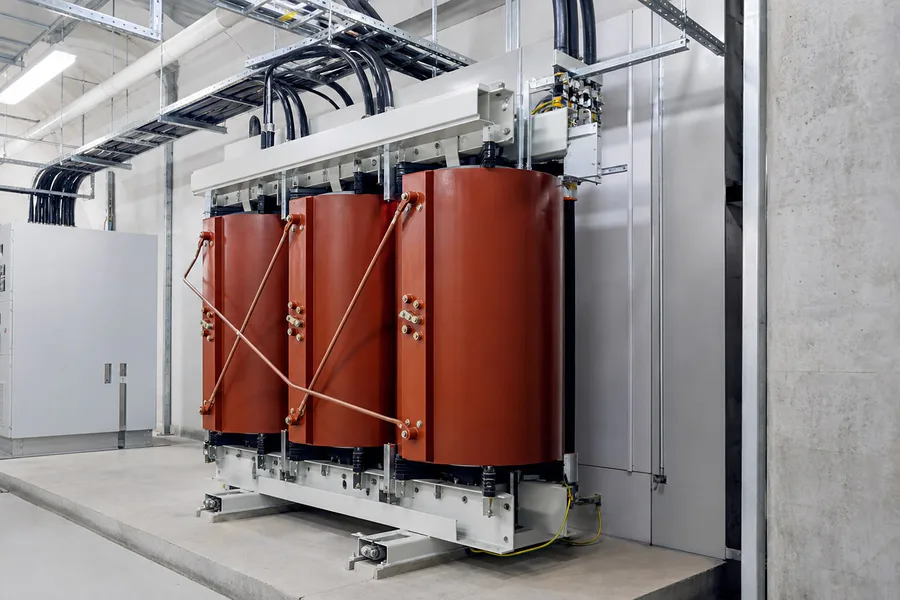
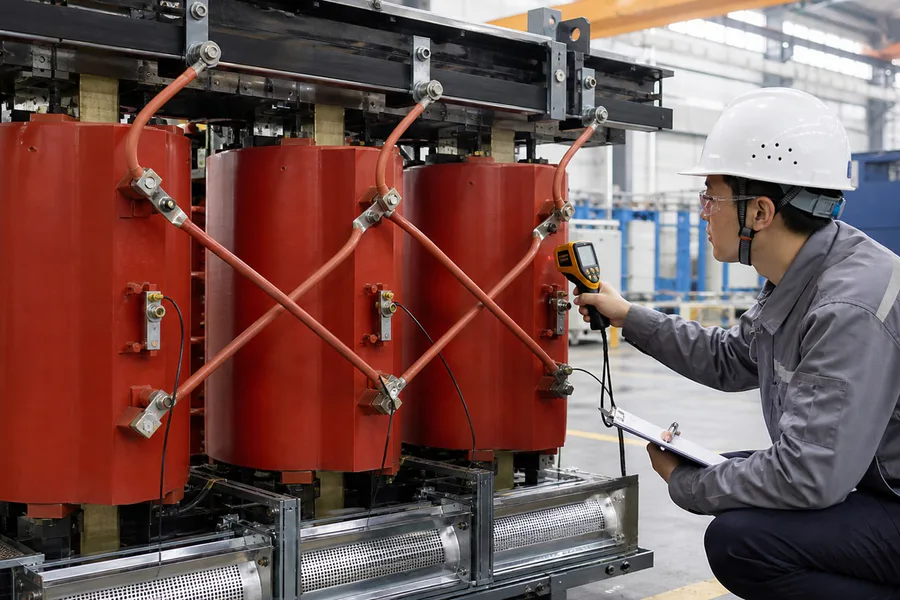
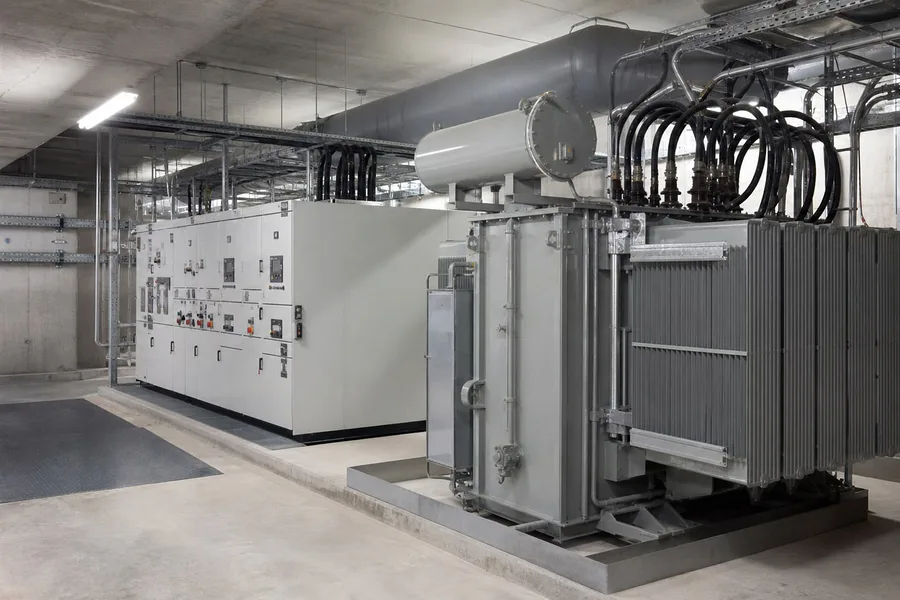
Transformer Equipment for Railway & Metro Transformers
These product families are directly relevant to the load profile, installation environment, and reliability requirements of Railway & Metro Transformers. Final configuration follows the single-line diagram, site conditions, and project standard.
Railway & Metro Transformers project design basis
| High reliability and feeder segregation | Station, depot, tunnel, signaling, ventilation, and auxiliary power for rail and metro systems. Confirm rating, voltage, load profile, overload margin, transformer type, and supply boundary around high reliability and feeder segregation. |
|---|---|
| Harmonics and traction interfaces | Convert harmonics and traction interfaces into transformer parameters, impedance, insulation, protection, accessories, upstream and downstream interfaces, and approved drawings. |
| Fire safety and low smoke requirements | Use fire safety and low smoke requirements to select oil-immersed, dry-type, compact-substation, or special-transformer construction, then confirm cooling, enclosure, materials, and installation conditions. |
| Space, noise, and maintenance access | Carry space, noise, and maintenance access into monitoring, maintenance access, spares, acceptance, packing, transport, and later expansion planning. |
| Recommended equipment | Dry-type transformers, switchgear, rectifier or isolation transformers, monitoring, and auxiliary panels. The final package should stay consistent with the single-line diagram, installation space, reliability requirement, and destination documents. |
Railway & Metro Transformers engineering and delivery
Use the Railway & Metro Transformers load schedule and duty profile to confirm peaks, diversity, critical loads, redundancy, capacity growth, primary and secondary voltage, and the supply boundary.
Translate high reliability and feeder segregation, harmonics and traction interfaces, and the remaining project priorities into equipment type, ratings, construction, losses, insulation, cooling, protection, layout, and system interfaces.
Control materials, production, assembly, and routine tests against the approved data sheet and drawings, with construction and temperature-rise checks for fire safety and low smoke requirements.
Complete FAT or inspection, packing, transport, and final-document handover, then confirm installation, maintenance, and expansion provisions for space, noise, and maintenance access.
Railway & Metro Transformers technical files
Document scope for Railway & Metro Transformers is confirmed against the exact product, ordered model, governing standard, and project document register.
Railway & Metro Transformers technical questions
Which transformer configuration fits Railway & Metro Transformers?
Dry-type transformers, switchgear, rectifier or isolation transformers, monitoring, and auxiliary panels. Oil-immersed, dry-type, compact-substation, or special-transformer selection should follow high reliability and feeder segregation and harmonics and traction interfaces, then confirm rating, voltage, impedance, losses, and protection interface.
What should be prepared before quoting Railway & Metro Transformers?
Send the load schedule or single-line diagram, primary and secondary voltage, quantity, installation environment, destination, and target delivery. If fire safety and low smoke requirements applies, include operating mode and maintenance limits.
Which site conditions change the transformer design?
Space, noise, and maintenance access can affect enclosure, protection, corrosion treatment, cooling, monitoring, transport dimensions, and maintenance access, so these points should appear in the data sheet and drawings.
Which quality files support a Railway & Metro Transformers order?
The order package can include approved drawings, data sheet, nameplate file, component schedule, routine-test report, inspection records, packing records, and shipment files; FAT or third-party witness follows the project agreement.
Discuss your transformer project
Send the available capacity, voltage, quantity, destination, drawing, or specification for Railway & Metro Transformers. We will confirm the equipment configuration, test documents, and delivery scope against the actual project.