

Transformer Impedance Selection: Practical Project Guide
How transformer impedance affects fault current, voltage drop, parallel operation, motor starting, protection coordination, and the final technical specification. Transformer impedance is selected as a system value, not a preference in isolation. It controls prospective fault current and voltage drop, affects motor starting and protection settings, and must be compatible with parallel transformers, upstream switchgear, downstream bus ratings, utility requirements, and the selected transformer design.

Transformer Impedance Selection: selection and quotation points
Transformer Impedance Selection organizes transformer selection, parameter comparison, document review, and quotation communication for purchasing decisions.
Relevant products include 10-35kV Transformers, Oil Immersed Transformers, Power Transformers. How transformer impedance affects fault current, voltage drop, parallel operation, motor starting, protection coordination, and the final technical specification. Transformer impedance is.
Fault current and switchgear duty: Fault current and switchgear duty should be checked against the transformer type, rating, voltage system, site conditions, and load responsibility.
Voltage drop and motor starting: Voltage drop and motor starting affects construction, losses, impedance, insulation, cooling, accessories, and system interfaces, so it should be included before quotation.
Documents to review include Transformer technical data sheet, Fault current and switchgear duty drawings or project files, Parallel operation and impedance tolerance test, certificate, or quality records, Specification, calculation, and test result..
Purchase and selection decisions
Review fault current and switchgear duty against the transformer duty, then check how voltage drop and motor starting affects selection, quotation, documents, and delivery.
Review voltage drop and motor starting against the transformer duty, then check how parallel operation and impedance tolerance affects selection, quotation, documents, and delivery.
Review parallel operation and impedance tolerance against the transformer duty, then check how specification, calculation, and test result affects selection, quotation, documents, and delivery.
Review specification, calculation, and test result against the transformer duty, then check how fault current and switchgear duty affects selection, quotation, documents, and delivery.
Related Transformer & Distribution Equipment
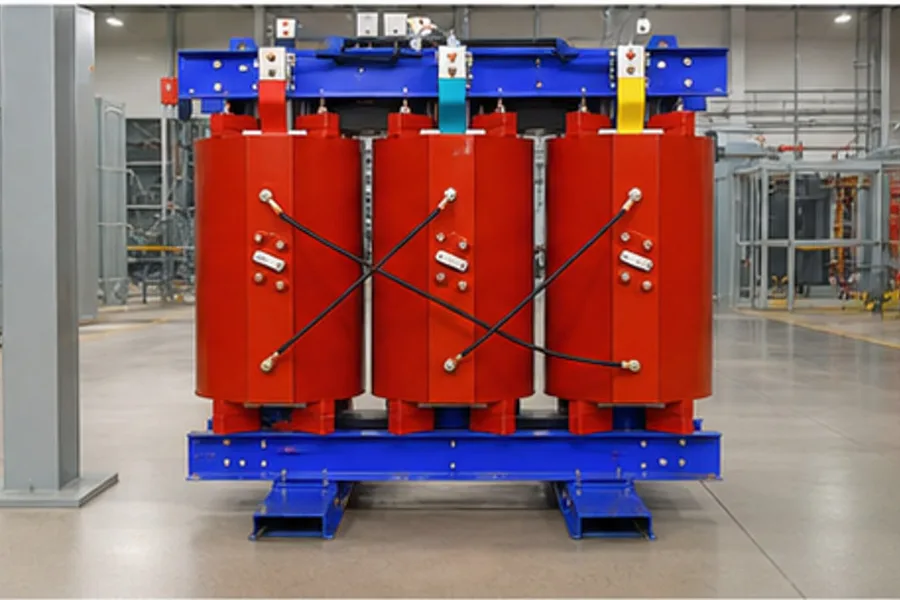
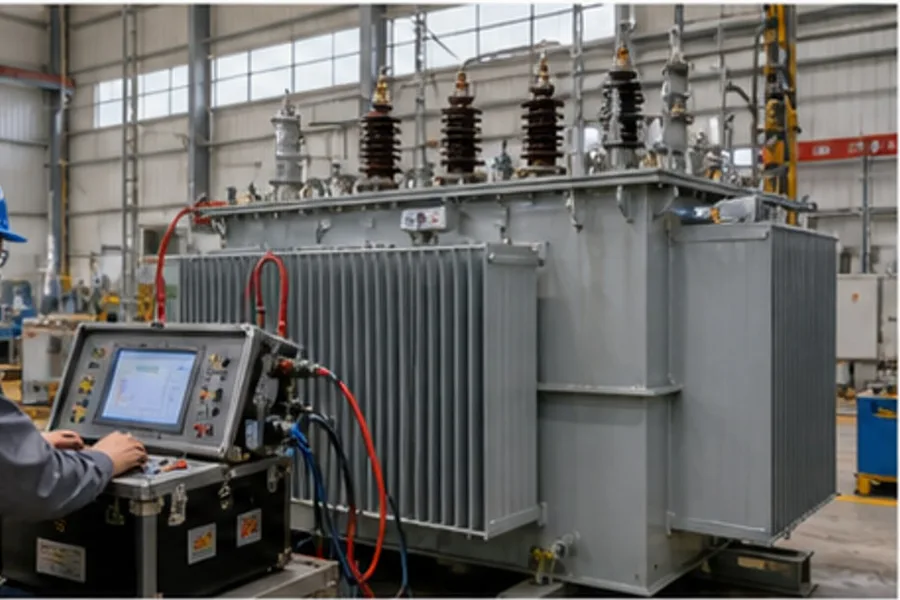
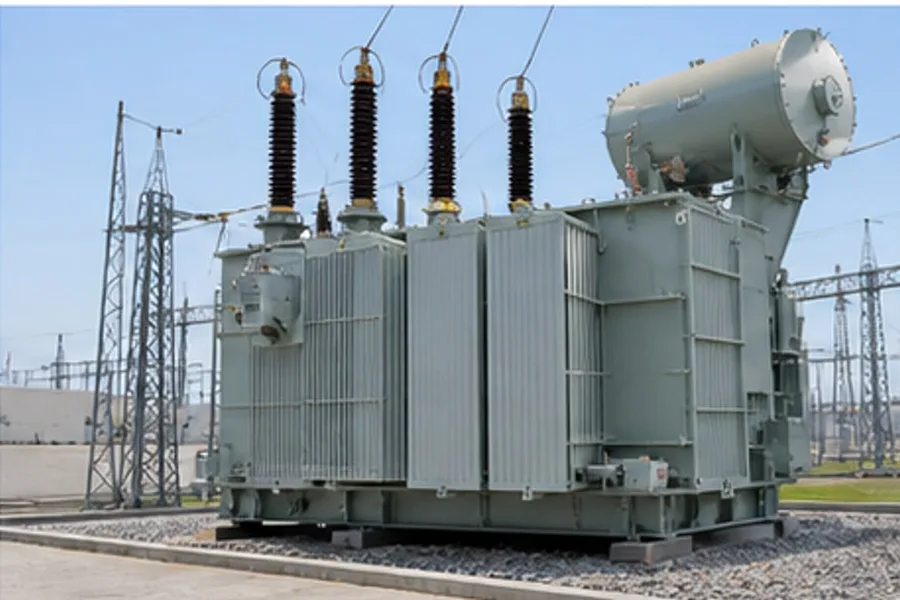
Connecting technical guidance to actual equipment makes parameter, price, testing, and delivery decisions more reliable.
Comparison and confirmation points
| Fault current and switchgear duty | Fault current and switchgear duty should be checked against the transformer type, rating, voltage system, site conditions, and load responsibility. |
|---|---|
| Voltage drop and motor starting | Voltage drop and motor starting affects construction, losses, impedance, insulation, cooling, accessories, and system interfaces, so it should be included before quotation. |
| Parallel operation and impedance tolerance | Parallel operation and impedance tolerance should match the quoted model through drawings, test records, certificate scope, and quality files. |
| Specification, calculation, and test result | Specification, calculation, and test result belongs in the data sheet, acceptance requirements, packing plan, shipping files, and practical transformer supply scope. |
Turn the guide into a purchase specification
Place Transformer Impedance Selection in the actual project context by confirming transformer type, load duty, voltage system, installation environment, and the decision that must be made.
Use fault current and switchgear duty and voltage drop and motor starting as a common baseline so ratings, materials, losses, accessories, and supply boundaries are compared on equal terms.
Review drawings, test records, certification scope, quality files, and verifiable data linked to the relevant transformer model for parallel operation and impedance tolerance.
Carry specification, calculation, and test result and the final decision into the data sheet, RFQ, acceptance requirements, delivery boundary, and order attachments.
Technical evidence to review
Document scope for Transformer Impedance Selection is confirmed against the exact product, ordered model, governing standard, and project document register.
Guide questions
Which transformer projects can use Transformer Impedance Selection?
This guide supports selection, comparison, or procurement decisions involving fault current and switchgear duty, voltage drop and motor starting, parallel operation and impedance tolerance, and specification, calculation, and test result. The final conclusion still depends on rating, voltage, load duty, and site conditions.
Can Transformer Impedance Selection be used directly for an RFQ?
It provides a useful RFQ framework. A formal quotation still needs transformer type, rated capacity, primary and secondary voltage, quantity, installation environment, destination, governing standard, and target delivery.
How should data in Transformer Impedance Selection be verified?
Prioritize the technical data sheet, drawings, guaranteed losses, test reports, certification scope, and accessory schedule linked to the offered model instead of relying on unrelated general documents.
Can the project be discussed before every parameter is available?
Yes. Send the known product type, rating, voltage, quantity, application, and destination, then use the decision points in Transformer Impedance Selection to complete the technical brief.
Discuss your transformer project
Send the available capacity, voltage, quantity, destination, drawing, or specification for Transformer Impedance Selection. We will confirm the equipment configuration, test documents, and delivery scope against the actual project.