

Transformer Buying Guide: Practical Project Guide
Transformer product selection, electrical parameters, applications, testing, documentation, pricing factors, and project delivery. This page turns the buyer's power application into a transformer selection path: define load duty, voltage class, installation environment, and operating responsibility first, then move into oil immersed, dry type, power transformer, compact substation, or special transformer configuration.

Transformer Buying Guide: selection and quotation points
Transformer Buying Guide organizes transformer selection, parameter comparison, document review, and quotation communication for purchasing decisions.
Relevant products include 10-35kV Transformers, Oil Immersed Transformers, Dry Type Transformers. Transformer product selection, electrical parameters, applications, testing, documentation, pricing factors, and project delivery. This page turns the buyer's power application into a.
Start with the project duty: Separate utility distribution, factory incoming power, building distribution, renewable step-up, mining, marine, or emergency supply because each duty points to a different transformer construction.
Lock voltage and capacity: Confirm 10kV, 11kV, 20kV, 22kV, 33kV, 35kV, and higher voltage classes, then select capacity around load curve, redundancy, overload, and future expansion.
Documents to review include Transformer technical data sheet, Start with the project duty drawings or project files, Confirm installation conditions test, certificate, or quality records, Build the RFQ specification delivery documents.
Purchase and selection decisions
Separate utility distribution, factory incoming power, building distribution, renewable step-up, mining, marine, or emergency supply because each duty points to a different transformer construction.
Confirm 10kV, 11kV, 20kV, 22kV, 33kV, 35kV, and higher voltage classes, then select capacity around load curve, redundancy, overload, and future expansion.
Indoor or outdoor location, oil or dry construction, enclosure IP, corrosion, noise, ventilation, foundation, cable direction, and maintenance access change the product choice.
Put losses, impedance, vector group, cooling, accessories, testing, certificates, packing, destination, and delivery schedule into one RFQ basis.
Related Transformer & Distribution Equipment
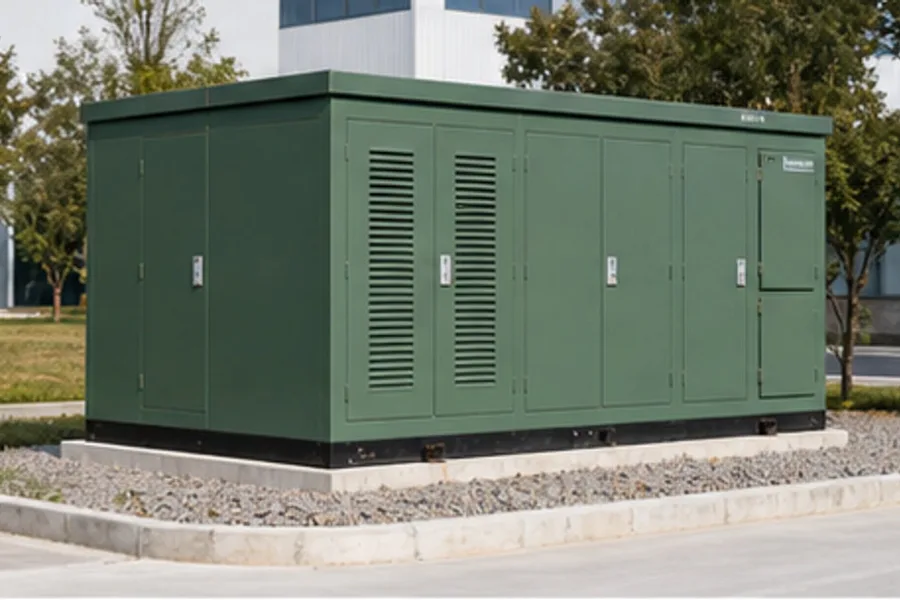
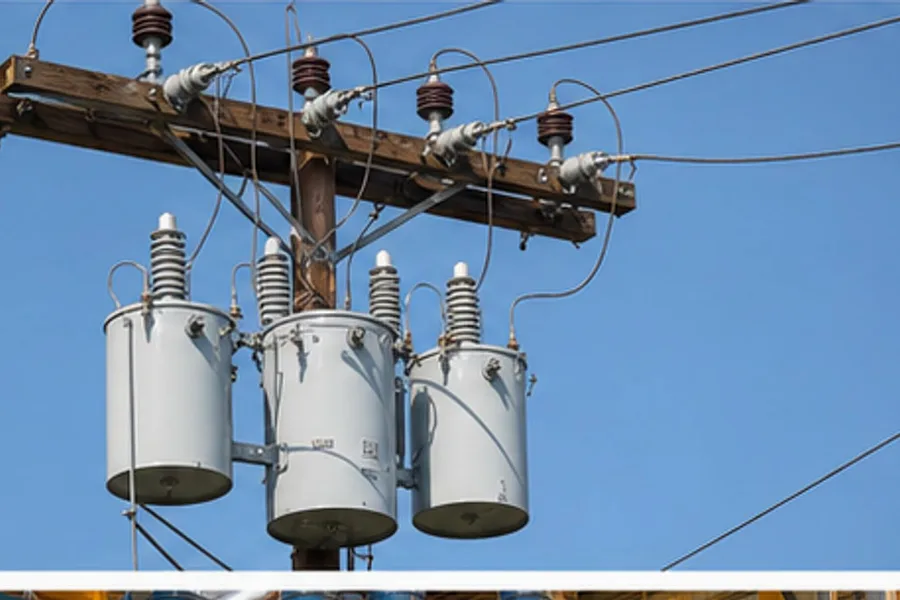
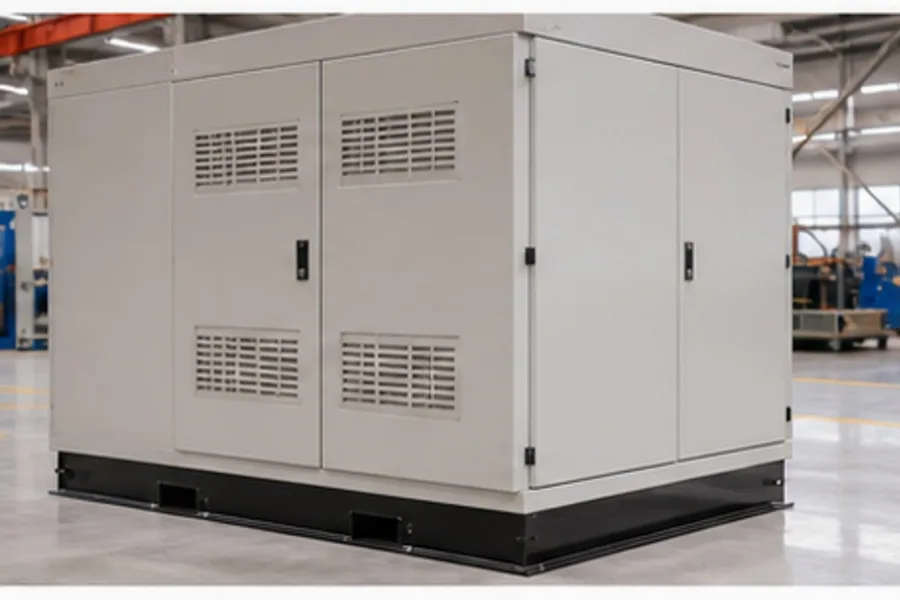
Connecting technical guidance to actual equipment makes parameter, price, testing, and delivery decisions more reliable.
Comparison and confirmation points
| Start with the project duty | Separate utility distribution, factory incoming power, building distribution, renewable step-up, mining, marine, or emergency supply because each duty points to a different transformer construction. |
|---|---|
| Lock voltage and capacity | Confirm 10kV, 11kV, 20kV, 22kV, 33kV, 35kV, and higher voltage classes, then select capacity around load curve, redundancy, overload, and future expansion. |
| Confirm installation conditions | Indoor or outdoor location, oil or dry construction, enclosure IP, corrosion, noise, ventilation, foundation, cable direction, and maintenance access change the product choice. |
| Build the RFQ specification | Put losses, impedance, vector group, cooling, accessories, testing, certificates, packing, destination, and delivery schedule into one RFQ basis. |
Turn the guide into a purchase specification
The buyer first explains which load the transformer serves, which grid it connects to, whether it runs continuously, and whether fire, noise, space, or environment limits apply.
Use duty and installation conditions to choose oil immersed, dry type, compact substation, power transformer, or special transformer, then confirm relevant manufacturing capability.
Convert rating, voltage, impedance, losses, vector group, taps, cooling, enclosure, accessories, and tests into quotable data.
Send the product route, data sheet, drawings, standard, certificate needs, quantity, destination, and delivery date for comparable factory quotations.
Technical evidence to review
Document scope for Transformer Buying Guide is confirmed against the exact product, ordered model, governing standard, and project document register.
Guide questions
What does a transformer buying guide solve first?
It first decides which transformer family should be purchased, then moves into rating, voltage, accessories, tests, and price so quotations become comparable.
How should a 10-35kV project start?
Clarify the 10kV, 11kV, 20kV, 22kV, 33kV, or 35kV system, rating, installation environment, oil or dry construction, losses, and accessory requirements.
When is a power transformer or special transformer needed?
Use dedicated pages when the project involves 110kV and above main transformers, large industrial power, rectifier, furnace, grounding, mining, marine, or mobile supply.
What is the next step after reading the guide?
Send product type, rating, voltage, application, quantity, destination, standard, drawings, and certificate needs for engineering review and factory quotation.
Discuss your transformer project
Send the available capacity, voltage, quantity, destination, drawing, or specification for Transformer Buying Guide. We will confirm the equipment configuration, test documents, and delivery scope against the actual project.